Panchakarma Retreat Goa: A Guide to the Process, Duration & Preparation Planning a Panchakarma retreat in Goa? Understanding the process, programme duration, preparation requirements and role of an Ayurvedic doctor can help you make a more informed decision before booking.Panchakarma is a traditional part of Ayurveda involving specific procedures selected according to an individual's needs …

Panchakarma Retreat Goa: A Guide to the Process, Duration & Preparation
Planning a Panchakarma retreat in Goa? Understanding the process, programme duration, preparation requirements and role of an Ayurvedic doctor can help you make a more informed decision before booking.
Panchakarma is a traditional part of Ayurveda involving specific procedures selected according to an individual’s needs and clinical assessment. Unlike a regular spa massage, it may involve preparation, practitioner-directed procedures and follow-up guidance.
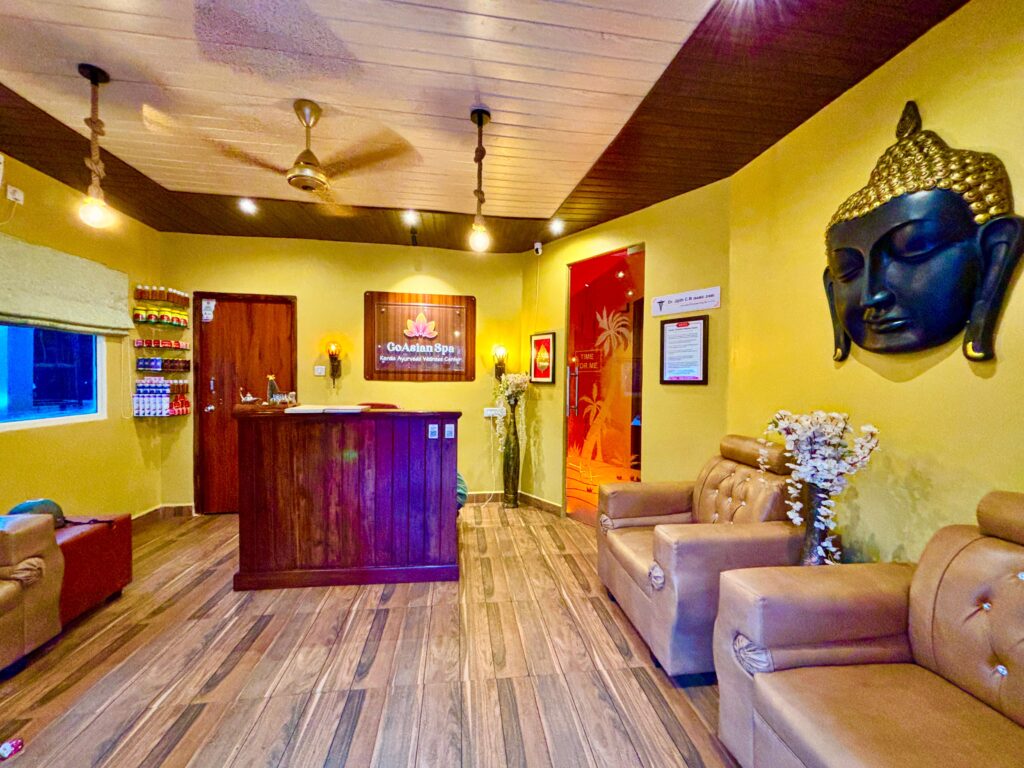
At GoAsian Wellness in Arambol, North Goa, personalised Ayurveda and Panchakarma retreat programmes are available across 7 to 28 days, with treatment plans developed under Ayurvedic doctor guidance.
This guide explains the traditional Panchakarma approach, what a retreat may include and the important questions to ask before planning your stay.
What Is Panchakarma in Ayurveda?
Panchakarma is a traditional Ayurvedic therapeutic approach. The Sanskrit term Pancha means five, while Karma refers to actions or procedures.
In classical Ayurveda, Panchakarma refers to five principal procedures used within a broader system of individualised treatment.
The approach is traditionally associated with Shodhana, or purification, and is often described in modern wellness settings as Ayurvedic detoxification.
However, traditional Ayurvedic purification concepts should not be confused with scientifically established removal of specific toxins from the body.
Whether a Panchakarma procedure is appropriate depends on individual circumstances, and it should not replace necessary conventional medical treatment.
What Are the Five Traditional Panchakarma Procedures?
Understanding the classical procedures can help you distinguish Panchakarma from a general Ayurveda spa experience.
1. Vamana — Therapeutic Emesis
Vamana is a traditional, medically supervised procedure involving induced vomiting in specifically selected circumstances.
It is not an everyday wellness practice and should never be attempted independently.
2. Virechana — Therapeutic Purgation
Virechana involves a practitioner-directed purgation procedure within the traditional Ayurvedic framework.
It requires professional assessment and careful consideration of an individual’s health, hydration and medical circumstances.
3. Basti — Medicated Enema Procedures
Basti involves the administration of specially prepared substances through the rectal route under professional supervision.
The specific approach varies within Ayurvedic practice and is not suitable for everyone.
4. Nasya — Nasal Administration
Nasya refers to selected Ayurvedic preparations administered through the nasal passages.
It should be performed only when appropriate and under suitably qualified professional direction.
5. Raktamokshana — Bloodletting
Raktamokshana is included among the five procedures in certain classical Ayurvedic classifications.
It is an invasive procedure with important safety considerations and is not a routine spa or general wellness treatment.
Important: The five procedures above describe traditional Ayurvedic concepts. They are not a list of treatments automatically included in GoAsian Wellness retreat packages.
A personalised retreat may involve only selected procedures, or none of these classical procedures, depending on the Ayurvedic doctor’s assessment.
What Are the Main Stages of a Panchakarma Programme?
Panchakarma is traditionally described as a structured process rather than a single treatment session.
Its stages are commonly discussed as preparation, primary procedures and post-procedure care.
Stage 1: Purva Karma — Preparation
Purva Karma refers to preparatory measures that may be recommended before selected Panchakarma procedures.
Traditional practices can include Snehana, the use of oleation techniques, and Swedana, heat- or sweating-related procedures.
The preparation stage may also involve dietary recommendations and assessment of a person’s ability to tolerate a proposed treatment.
Not every guest requires every preparatory measure.
Stage 2: Pradhana Karma — Main Procedures
Pradhana Karma refers to the principal procedures chosen for an individual’s treatment plan.
The selection depends on professional assessment, relevant medical considerations and the specific Ayurvedic approach.
Certain procedures can carry significant risks and should never be performed as self-directed detox activities.
Stage 3: Paschat Karma — Post-Procedure Guidance
Paschat Karma refers to the care and guidance recommended after the main procedures.
Depending on the individual, this can involve a gradual return to normal eating routines, appropriate rest, lifestyle recommendations and follow-up assessment.
Post-procedure guidance is an important part of traditional Panchakarma planning.
What Happens During a Panchakarma Retreat at GoAsian Wellness?
At GoAsian Wellness, the retreat experience is designed around personalised Ayurveda care rather than a fixed set of identical treatments for every guest.
Initial Ayurvedic Doctor Consultation
The programme begins with an Ayurvedic consultation to discuss wellness goals, medical background, daily habits and treatment considerations.
Visitors should provide an accurate history of medications, allergies, previous procedures and existing health conditions.
Body Constitution Assessment
The Ayurvedic doctor may carry out a traditional Dosha assessment to understand the visitor’s constitution within the Ayurvedic framework.
This is part of traditional assessment and should not be presented as an alternative to conventional medical diagnosis.
Customised Treatment Plan
Depending on the consultation, a treatment plan may involve traditional Ayurvedic massage, selected Panchakarma procedures when prescribed, and lifestyle guidance.
The retreat programme may also include herbal tea, infused water and recommended wellness activities.
Daily Treatment Sessions
GoAsian Wellness’s treatment-focused retreat option describes approximately 90–120 minutes of customised Ayurvedic treatment and massage.
The actual procedures and their duration depend on individual recommendations and the selected programme.
Yoga, Meditation and Lifestyle Support
Yoga and meditation may be offered when advised and appropriate.
Dietary and lifestyle guidance can also form part of the retreat experience.
Guidance After Your Retreat
GoAsian Wellness’s programmes include post-retreat diet and lifestyle guidance. Its accommodation-inclusive retreat option also describes a follow-up wellness consultation.
The aim is to provide visitors with information about suitable routines after the retreat ends.
How Long Does a Panchakarma Retreat in Goa Take?
There is no single ideal Panchakarma duration for everyone.
GoAsian Wellness offers retreat options lasting from 7 to 28 days. These are programme duration options, not a guarantee that any particular Panchakarma procedure can be completed within a specified number of days.
| Programme Duration | Planning Considerations |
|---|---|
| 7 Days | May suit a shorter, practitioner-approved Ayurveda programme |
| 14 Days | Allows more time for planned consultations, therapies and rest |
| 21 Days | May be considered for an extended personalised programme |
| 28 Days | Provides a longer retreat period when professionally recommended |
The right length depends on the treatment objectives, preparation requirements, medical suitability, recovery needs and available travel time.
A longer retreat is not automatically more effective or appropriate.
Before booking, ask your Ayurvedic doctor which treatments, if any, are suitable and how much time the recommended programme requires.
Who Should Consider a Panchakarma Retreat?
People explore Panchakarma and Ayurveda retreats for a variety of reasons, including interest in traditional Ayurvedic practices, structured wellness routines and a period away from everyday responsibilities.
GoAsian Wellness’s retreat programme describes options focused on personalised wellness, relaxation, lifestyle guidance and traditional Ayurvedic care.
However, wanting a wellness reset does not mean that invasive or intensive Panchakarma procedures are suitable.
Is Panchakarma Suitable for Everyone?
No. Suitability depends on an individual’s health status and the specific procedure being considered.
People who are pregnant, frail, dehydrated, living with significant medical conditions or taking regular medications may require additional evaluation or may be advised against certain procedures.
Herbal preparations can also interact with medicines.
Always discuss your circumstances with qualified healthcare professionals. Do not discontinue prescribed medication or delay necessary medical care to attend a retreat.
How to Prepare for a Panchakarma Retreat in Goa
Preparation begins before travelling.
The following checklist can help you plan a personalised Ayurveda or Panchakarma programme responsibly.
1. Arrange a Consultation Before Booking
Discuss your goals and relevant health information with the retreat team.
Ask whether the proposed treatments require additional medical clearance.
2. Confirm the Recommended Programme Duration
Do not select a retreat solely because a particular duration is advertised.
Ask the practitioner which programme is appropriate for your individual circumstances.
3. Review the Treatment Plan
Request an explanation of the proposed procedures, possible discomforts, safety considerations and alternatives.
Clarify which treatments are included and which may be recommended separately.
4. Discuss Medicines and Supplements
Provide details of prescription medicines, over-the-counter products and supplements.
Do not begin fasting, purgation, herbal cleansing or other intensive preparation without appropriate professional guidance.
5. Arrange Comfortable Accommodation
Choose accommodation that allows you adequate rest and convenient access to the retreat centre.
6. Confirm Meals and Travel Arrangements
Check whether meals, airport transfers and other hospitality services are included in your selected programme.
7. Allow Time for Rest
Avoid scheduling demanding excursions or intensive activities around procedures that may require recovery.
Follow the treating practitioner’s specific instructions.
What Is Included in GoAsian Wellness’s Panchakarma Retreat?
GoAsian Wellness’s retreat programme describes a range of services that may be included depending on the selected option and individual treatment plan.
These include:
Personalised consultation with an Ayurvedic doctor
Traditional Dosha assessment
Customised Ayurvedic treatment planning
Ayurvedic treatments and massage
Selected Panchakarma procedures, if prescribed
Herbal tea and infused water
Diet and lifestyle guidance
Yoga and meditation, when advised
Ayurvedic medicines during the programme, where included and prescribed
Post-retreat wellness guidance
Selected wellness activities
The programme may also include a wellness gift hamper.
Not every service is appropriate for every guest. Request confirmation of your individual inclusions before paying for a retreat.
Panchakarma Retreat With or Without Accommodation
Visitors planning a Panchakarma retreat in North Goa can consider different accommodation arrangements.
Treatment-Focused Retreat Without Accommodation
GoAsian Wellness offers a treatment-focused retreat option for visitors who prefer to stay at their own hotel, villa or resort.
Accommodation, food and airport transfers are not included in this option.
Retreat With Partner Accommodation and Meals
A separate accommodation-inclusive option is available through nearby partner hotels and resorts, subject to availability.
This arrangement describes accommodation, meals, selected wellness services and airport pickup.
GoAsian Wellness does not provide its own on-site accommodation. Partner accommodation arrangements should be confirmed before booking.
Airfare, visa fees, travel insurance, personal expenses and certain additional medical costs are not automatically included.
Why Choose Arambol, North Goa for an Ayurveda Retreat?
Arambol is located in North Goa and offers access to Goa’s coastal environment.
GoAsian Wellness’s retreat location is in Deulwada, Arambol, near destinations such as Mandrem, Morjim and Ashwem.
Visitors can combine a structured Ayurveda programme with a stay in a coastal destination, provided sightseeing and other activities are compatible with their treatment plan.
International visitors should confirm entry requirements, transport arrangements, accommodation and retreat availability before travelling.
Panchakarma Retreat vs Regular Ayurveda Massage: What Is the Difference?
A regular Ayurveda massage is usually a standalone treatment session.
A Panchakarma programme, by contrast, may involve a structured sequence of professional assessment, preparation, selected procedures and follow-up care.
| Feature | Ayurveda Massage | Panchakarma Programme |
|---|---|---|
| Main Focus | A specific treatment session | Individualised therapeutic programme |
| Initial Assessment | Varies by provider | Important for procedure selection |
| Duration | Often a single appointment | May involve multiple days |
| Procedures | Massage-focused | May include selected traditional procedures |
| Follow-Up | Varies | May include post-procedure guidance |
| Medical Suitability | Depends on treatment | Especially important for intensive procedures |
A multi-day Ayurveda retreat is not necessarily a Panchakarma programme. The exact scope should be confirmed with the treating practitioner.
Why Explore Panchakarma at GoAsian Wellness?
GoAsian Wellness combines traditional Kerala Ayurveda practices with personalised retreat planning in Arambol, North Goa.
The retreat programme highlights:
Experienced Ayurveda Professionals
Traditional Ayurvedic treatments are delivered under the guidance of Ayurvedic doctors, with support from experienced therapists.
Individualised Treatment Planning
Each retreat begins with consideration of the guest’s needs and an appropriate treatment plan.
Flexible Programme Durations
Visitors can enquire about 7, 14, 21 and 28-day options, subject to professional recommendations.
Flexible Accommodation Options
Guests may arrange their own stay or request assistance with partner accommodation.
Post-Retreat Lifestyle Guidance
Dietary and lifestyle recommendations can help visitors plan suitable wellness routines after returning home.
Frequently Asked Questions About Panchakarma Retreats in Goa
What is a Panchakarma retreat?
A Panchakarma retreat is a structured Ayurveda programme that may involve preparation, selected traditional procedures and follow-up guidance under professional supervision.
How many days are required for Panchakarma?
The duration varies depending on the specific procedure and individual assessment. GoAsian Wellness offers Ayurveda retreat programmes from 7 to 28 days, but not every programme includes every Panchakarma procedure.
Is Panchakarma the same as an Ayurvedic massage?
No. Ayurvedic massage is one type of treatment. Panchakarma refers to a broader traditional framework involving selected procedures and associated preparation and aftercare.
Does everyone receive all five Panchakarma treatments?
No. The classical five procedures are not automatically recommended or included for every individual. Some can be invasive and require careful medical assessment.
Can beginners attend a Panchakarma retreat?
First-time visitors can enquire about a personalised Ayurveda programme. Whether specific Panchakarma procedures are appropriate must be determined by a qualified professional.
Does a Panchakarma retreat in Goa include accommodation?
It depends on the selected programme. GoAsian Wellness offers treatment-only arrangements and partner accommodation-inclusive options, subject to availability.
How much does a Panchakarma retreat in Goa cost?
Costs vary by duration, personalised treatment plan, accommodation preferences and other inclusions. Contact GoAsian Wellness for an approximate current price range and a tailored quotation.
Can international guests book a Panchakarma retreat in Goa?
International guests can enquire about available programmes and accommodation options. They should confirm travel requirements and discuss medical suitability before booking.
Is Panchakarma medically proven to remove toxins?
Panchakarma is traditionally described using Ayurvedic purification concepts. Claims that it removes specific toxins or treats diseases should not be assumed scientifically established without appropriate clinical evidence.
Plan Your Panchakarma Retreat in Goa With GoAsian Wellness
Understanding the traditional process, preparation requirements and individual suitability is an important first step when considering Panchakarma.
At GoAsian Wellness in Arambol, North Goa, visitors can explore personalised Ayurveda and Panchakarma retreat arrangements across 7–28 days.
Our team can explain available programme options, doctor consultation arrangements, accommodation choices and the process for requesting a personalised retreat quotation.
Explore Our 7–28 Day Ayurveda Panchakarma Retreat
Contact GoAsian Wellness to Enquire About Your Preferred Dates and Programme Options.